Anabolic-androgenic steroids are synthetic compounds modelled on testosterone, the primary male sex hormone. In clinical settings they are prescribed for specific conditions such as testosterone deficiency, delayed puberty, and certain muscle-wasting diseases. Outside medicine, they are frequently misused to increase muscle mass, reduce body fat, or improve athletic appearance. The gap between supervised medical use and unsupervised misuse is large, and the harms described in the medical literature are often associated with the higher doses, longer cycles, and combined substances typical of non-medical use.
- Short-term effects often include acne, fluid retention, elevated blood pressure, and mood swings.
- Long-term misuse is linked to cardiovascular strain, liver injury, hormonal suppression, and reproductive changes.
- Stopping after prolonged use can trigger fatigue, depression, loss of muscle mass, and delayed testosterone recovery.
- Psychological effects range from irritability and aggression to dependency-like patterns and body-image distortion.
What Are Anabolic Steroids and How Do They Work?
Anabolic-androgenic steroids (AAS) are chemically altered versions of testosterone designed to emphasise either tissue-building (anabolic) or masculinising (androgenic) properties. Testosterone itself has both effects; chemists modify the base structure to shift the ratio, though no AAS is purely anabolic or purely androgenic. The compounds most commonly discussed in the sports and bodybuilding context include testosterone esters, nandrolone, stanozolol, and oxandrolone, among others.
These substances bind to androgen receptors in muscle, bone, skin, brain, and reproductive tissues. Once attached, they enter the cell nucleus and alter gene expression, increasing protein synthesis and promoting muscle growth. The same mechanism also produces masculinising effects such as a deeper voice, increased body hair, and changes in skin oil production. Because the same receptor mediates both sets of effects, separating muscle growth from unwanted androgenic activity is pharmacologically difficult.
Medically, AAS are prescribed at doses intended to restore normal hormone levels or preserve lean tissue in specific disease states. Misuse for performance or image enhancement typically involves doses many times higher than therapeutic levels, often stacked with multiple compounds and cycled over weeks or months. This pattern can substantially change the risk profile. A dose associated with noticeable muscle gain may also produce noticeable androgenic, cardiovascular, and endocrine effects.
The potential for muscle growth, strength gains, and faster recovery is one reason people misuse these substances. The androgenic effects—acne, hair loss, aggression, and virilisation in women—are generally considered unwanted but are inseparable from the mechanism. Understanding this trade-off is central to understanding the side-effect profile and why reducing harm is not simply a matter of choosing the “right” compound.
Short-Term Side Effects of Anabolic Steroids
Even in the first weeks of use, the body can begin to show visible and measurable changes. Some of the most common early effects are dermatological. Increased sebaceous activity often leads to oily skin and acne on the face, chest, and back. In people already prone to acne, this can be pronounced and may require dermatological care. The severity depends partly on genetic sensitivity to androgens.
Fluid retention is another early effect. Many AAS can cause the body to retain sodium and water, leading to a puffy appearance, increased body weight, and elevated blood pressure. Blood-pressure rises may be mild or significant, depending on the compound, dose, and individual predisposition. Some users notice swelling in the hands, feet, or face, particularly with aromatising compounds.
Mood and behaviour can shift quickly. Users may report increased irritability, restlessness, or heightened confidence. Sleep disturbances are not uncommon, and some people experience a shorter fuse in everyday interactions. These changes may lessen as the substance leaves the system, but they can be disruptive to work, relationships, and training during the active cycle.
Metabolic effects include changes in lipid profiles, insulin sensitivity, and appetite. Some people experience increased hunger and rapid weight gain; others notice shifts in energy levels or difficulty managing blood sugar. The severity of short-term effects depends heavily on dose, compound choice, and duration. Higher doses do not simply produce bigger muscles; they may also amplify other effects, wanted and unwanted. The relationship between dose and adverse effects is frequently discussed in the literature on AAS.
Long-Term Health Risks and Chronic Effects
The risks that worry clinicians most are usually not visible in the mirror. Cardiovascular damage is among the most serious. Long-term AAS misuse has been associated with hypertension, unfavourable changes in cholesterol, left-ventricular enlargement, and increased risk of heart attack and stroke. A review in the Journal of Cardiovascular Pharmacology and Therapeutics describes these cardiovascular complications as a major concern for long-term users. The mechanisms appear to include reduced high-density lipoprotein cholesterol, increased low-density lipoprotein cholesterol, vascular stiffness, and direct effects on heart muscle.
Liver toxicity is well documented, especially with 17-alpha-alkylated oral steroids. These compounds pass through the liver repeatedly and can cause elevated liver enzymes, cholestasis, peliosis hepatis, and in rare cases tumours. Injectable forms are generally considered less hepatotoxic because they bypass first-pass liver metabolism, but no route of administration is entirely risk-free. Liver-enzyme monitoring may be considered under medical supervision when hepatotoxic compounds are used.
Hormonal suppression is common with prolonged use. The hypothalamic-pituitary-gonadal axis reads elevated steroid levels as a signal to stop producing testosterone. The testes shrink, sperm production falls, and natural testosterone output becomes suppressed. Recovery time varies widely; in some cases, especially after years of misuse or very high doses, full recovery may be slow or incomplete. This is one reason former users may seek medical help.
Psychological effects can also become chronic. Long-term users may experience persistent mood disorders, including depression and anxiety. Some develop dependency-like patterns, continuing use despite clear physical or social harm. The psychiatric literature has described a withdrawal syndrome that overlaps with both depressive and hypomanic presentations, and some individuals report difficulty functioning without the substance.
Gender-specific risks deserve separate mention. In men, gynecomastia—breast tissue development—can occur due to aromatisation of androgens into oestrogen. In women, virilisation can produce irreversible deepening of the voice, facial hair growth, male-pattern baldness, and clitoral enlargement. Adolescents face additional risks because AAS can prematurely close growth plates, limiting final height. These developmental effects are a particular concern for younger users who may not appreciate the permanence of the changes.
Side Effects When Stopping Anabolic Steroids
The period after stopping AAS can be as difficult as the period of use. The body has grown accustomed to external hormones, and the endocrine system needs time to restart. Users commonly report fatigue, low mood, loss of libido, and a visible drop in muscle size and strength as hormone levels fall. For some, the psychological crash is the hardest part of the cycle.
Depression is one of the frequently reported withdrawal symptoms. It can range from mild anhedonia to severe, persistent low mood. Suicidal ideation has been reported in the literature, particularly in those with pre-existing mental-health conditions. Medical support may be appropriate when discontinuing after prolonged use, especially if there is any history of mood disorder.
Natural testosterone recovery is variable. In short cycles with moderate doses, the hypothalamic-pituitary-gonadal axis may rebound within weeks. After long or high-dose use, recovery can take months. Some individuals require medical support to restore fertility or normal testosterone levels. Blood tests measuring total testosterone, luteinising hormone, follicle-stimulating hormone, and oestradiol can help assess where someone is in the recovery process.
Abrupt cessation may produce more intense withdrawal symptoms than a gradual taper, though the evidence for specific tapering protocols is limited. Post-cycle therapy is sometimes discussed in user communities, but the medications used carry their own risks and should not be started without clinician guidance. The safest approach to discontinuation depends on the substances used, the duration of use, and individual lab values.
Psychological and Behavioral Side Effects
The mental effects of AAS receive less attention than the physical ones, but they can be just as damaging. Increased aggression and irritability are commonly reported, sometimes described with the popular but imprecise term “roid rage.” Not everyone becomes aggressive; the effect depends on dose, compound, personality, and environment. Some individuals report episodes of impulsive or hostile behaviour that they later regret.
Body-image distortion is another underappreciated effect. Some users develop a persistent feeling of being small or insufficient despite substantial muscle gains. This can drive escalating doses, longer cycles, and difficulty stopping. The relationship between AAS use and muscle dysmorphia is recognised in the psychiatric literature, though the direction of causality can be complex.
Mood swings can occur during use and after stopping. Some users experience hypomanic symptoms—elevated mood, reduced need for sleep, grandiosity—during cycles, followed by depressive crashes afterwards. The swing between these states can strain relationships and impair judgement. In rare cases, more severe psychiatric symptoms such as psychosis or mania have been reported, particularly at high doses.
Social consequences include conflict with partners, family, and colleagues; financial cost of obtaining substances; and legal risk in jurisdictions where possession without a prescription is controlled. Secrecy about use can increase isolation, and the preoccupation with training and diet can crowd out other interests. These effects are not direct pharmacological actions, but they are common downstream consequences of the behavioural changes AAS can produce.
Organ-Specific Adverse Effects
Looking at the body system by system clarifies why AAS side effects are so broad. The same hormonal signal affects many tissues, and the dose associated with muscle growth may be high enough to disturb multiple organs.
Reproductive system
In men, AAS suppress the hormonal signals that drive sperm production. The result can be reduced sperm count, poor sperm quality, and infertility. Testicular atrophy is common during use and may persist until natural testosterone production recovers. Some men remain subfertile for months after stopping. In women, menstrual irregularities, decreased fertility, and virilisation can occur. These effects can be temporary or persistent, depending on the compound, dose, and duration.
Musculoskeletal system
Muscle strength can increase faster than tendon strength, creating a mismatch that may raise the risk of tendon rupture. This is particularly relevant for explosive or heavy lifting. In adolescents, AAS can accelerate bone maturation and cause premature closure of growth plates, leading to shorter adult stature. Increases in muscle strength therefore need to be considered alongside mechanical and developmental risks.
Skin and hair
Androgenic effects often include oily skin, acne, and accelerated male-pattern baldness in genetically susceptible individuals. Body hair may increase on the chest, back, and limbs. In women, facial hair and voice changes can be distressing and, in the case of voice deepening, largely irreversible. Skin changes are often the first visible sign of use and can persist for weeks after stopping.
Kidneys and renal function
Chronic misuse has been associated with proteinuria, focal segmental glomerulosclerosis, and reduced kidney function. High protein intake, dehydration, and the use of additional supplements or diuretics can compound this risk. Kidney damage may develop gradually and without obvious symptoms until function is significantly impaired. For those monitoring their health during or after use, laboratory markers can help identify changes; you can find compound-specific breakdowns and lab markers to monitor on our main site.
The side effects described here are not inevitable, but they are well documented. Higher doses, longer cycles, stacking multiple compounds, and pre-existing health conditions may increase the likelihood and severity of harm. There is no entirely safe way to misuse these substances.
Bottom line
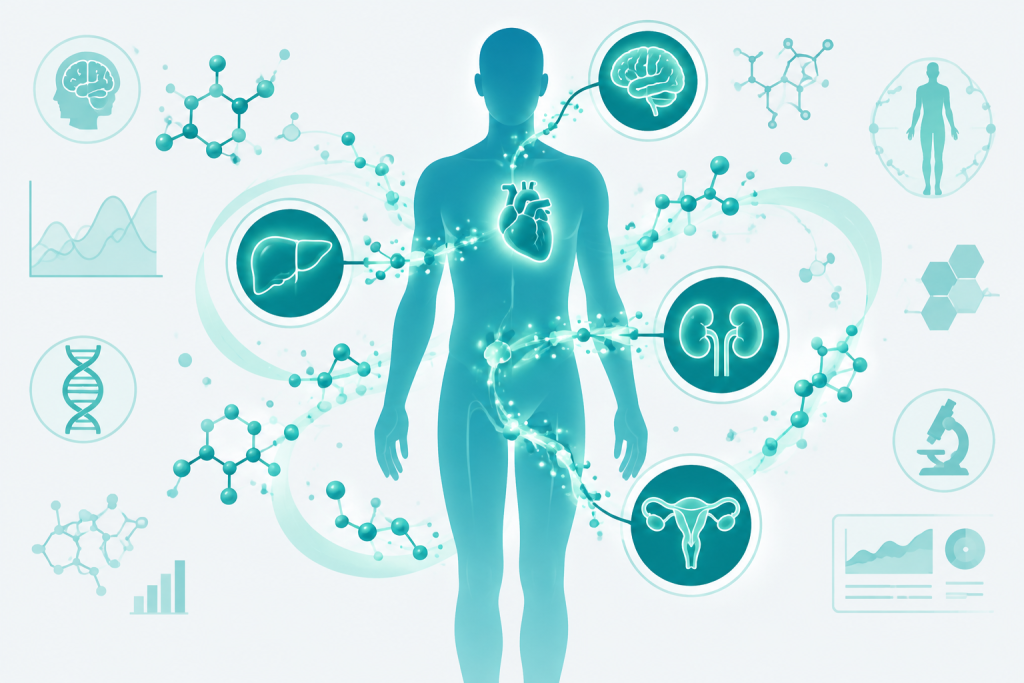
Anabolic-androgenic steroids produce a wide spectrum of side effects that involve the skin, cardiovascular system, liver, endocrine organs, brain, kidneys, and reproductive tissues. Some effects appear within days or weeks; others develop over months or years. The risk profile is strongly influenced by dose, duration, compound choice, and individual factors. The purpose of this overview is not to persuade anyone in either direction, but to provide a clear summary of effects reported in the medical literature.
This article is for informational purposes only and is not a substitute for professional medical advice, diagnosis, or treatment. Anyone considering the use of anabolic-androgenic steroids, currently using them, or planning to stop should consult a qualified healthcare provider. This is especially important if you are pregnant, taking prescription medications, or have a chronic medical or mental-health condition. The information here describes risks reported in research; it does not predict what any individual will experience.